Prairie Clean Enterprises’ bioheat solution set to support deep decarbonization of potash production
Prairie Clean Enterprises (PCE), based in Saskatchewan, is on the brink of a major breakthrough that could reshape how the potash industry approaches greenhouse gas (GHG) emissions. Thanks to a $1.1 million grant from the Mining Innovation Commercialization Accelerator (MICA) Network, PCE is advancing a revolutionary project that converts agricultural residue into clean, renewable energy for industrial operations.
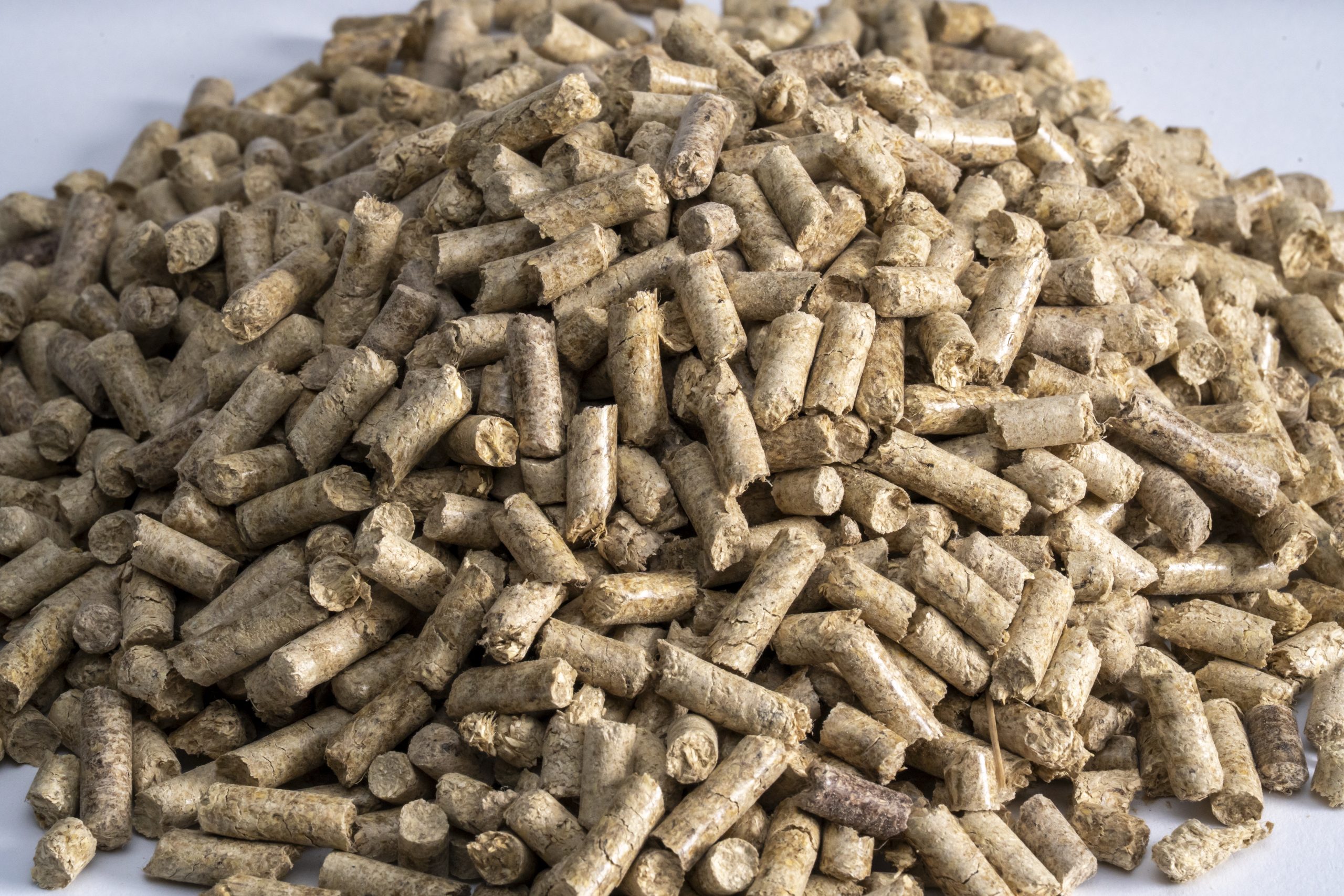
The concept is both simple and powerful. Each year, up to half a million tonnes of flax straw are left over from farming operations across the North American Prairies. Historically, much of this residue has gone unused or been burned, releasing carbon into the atmosphere. PCE’s process captures that untapped potential by transforming the straw into high-quality, low-carbon bioheat pellets that can directly replace fossil fuels used in potash mining and processing.
“Our technology allows potash producers to use a renewable, Saskatchewan-made fuel that could reduce GHG emissions by as much as 80 per cent,” said Mark Cooper, PCE’s CEO and president. “It’s local, it’s sustainable, and it keeps economic value right here in Canada.”
A made-in-Canada solution
The heart of this innovation lies in PCE’s new facility in Weyburn, Saskatchewan, where state-of-the-art equipment is being commissioned and tested. The facility will begin full-scale production later this year, with staff training already underway. Once operational, it will be one of the first commercial facilities in Canada to produce biofuel from flax straw and the only flax straw processing.
A key part of the project’s success is the partnership between Prairie Clean Enterprises and Saskatchewan Polytechnic (Sask Polytech). Through this collaboration, Sask Polytech researchers and students are contributing technical expertise and data analysis to optimize the combustion properties and energy efficiency of PCE’s bioheat pellets. This academic partnership ensures that innovation is grounded in strong scientific research while also building the next generation of skilled professionals in Saskatchewan’s clean energy and resource sectors.
This development aligns directly with the MICA Network’s mandate to support technologies that drive cleaner, more efficient mining operations. The partnership recognizes the enormous potential for bioheat to deeply decarbonize industries like potash, which have traditionally relied on natural gas or coal to generate the heat necessary for production.
“Potash is one of Saskatchewan’s most important exports, and the world needs it to grow food,” said Cooper. “By pairing our bioheat technology with potash production, we can ensure this vital industry remains both competitive and a leader in low-carbon energy solutions.”
Environmental and economic benefits
The environmental benefits are clear, but the local economic impacts are equally important. PCE’s operations create new market opportunities for farmers by providing value to what was once considered residue. The company works directly with producers and local businesses to aggregate and transport the straw to PCE’s Weyburn facility, ensuring that the benefits of innovation are shared across the community.
At full production, the Weyburn facility can supply low-carbon biofuel pellets to industrial customers, providing a reliable and renewable alternative that supports both sustainability and energy security.
Looking ahead
As the world accelerates its shift toward lower-carbon energy sources, Prairie Clean Enterprises is positioning Saskatchewan and Canada as a leader in biofuel technology. With support from MICA, Sask Polytech, and a clear focus on innovation, the company’s work represents a tangible step toward a cleaner and more decarbonized mining sector.
“This project is about proving that sustainability and industrial growth can go hand in hand,” said Cooper. “It’s about turning residue into opportunity and ensuring Saskatchewan remains at the forefront of deep decarbonization.”
For more information, visit prairiecleanenterprises.com